

San Diego’s coastal weather is one of the biggest reasons people love living here, but it can also be tough on a home’s exterior paint. Salt air, marine layer, humidity, sun exposure, wind, and sand can all affect how paint looks and performs over time.
For homeowners near the coast, exterior paint does more than improve curb appeal. It helps protect the home’s exterior surfaces from daily exposure. When paint starts to fail, moisture can reach the surface underneath, which may lead to more noticeable wear or future repairs.
Understanding how coastal weather affects exterior paint can help homeowners spot early warning signs, plan maintenance, and know when it may be time to have their home’s exterior evaluated.
Why Coastal Weather Can Wear Down Exterior Paint Faster
San Diego’s coastal climate is mild, but homes near the ocean deal with a unique combination of conditions. Even when the weather feels comfortable, exterior surfaces are constantly exposed to moisture, salt, sunlight, and wind.
Salt air is one of the biggest factors. Salt particles can settle on painted surfaces, especially on trim, doors, siding, fascia, railings, and other exposed areas. Over time, this buildup can make paint look dull, worn, or weathered.
The marine layer can also affect exterior paint. Coastal fog and humidity may leave surfaces damp for longer periods of time, especially on shaded sides of the home or areas with poor airflow. When moisture lingers, it can contribute to paint peeling, bubbling, mildew, staining, or adhesion issues.
Sun exposure plays a major role as well. San Diego homes receive strong UV exposure throughout the year. South- and west-facing walls often show fading, chalking, or color changes sooner because they receive more direct sunlight.
Wind, sand, and dust can add another layer of wear. In coastal neighborhoods, wind can carry fine particles against the home’s exterior. Over time, this can slowly dull or roughen the paint finish, especially in areas already exposed to salt air and sun.
Because every home is different, paint wear may not show up evenly. One side of the home may fade faster, while another may show moisture stains, mildew, or peeling. That is why regular exterior checks are especially important for homes near the coast.
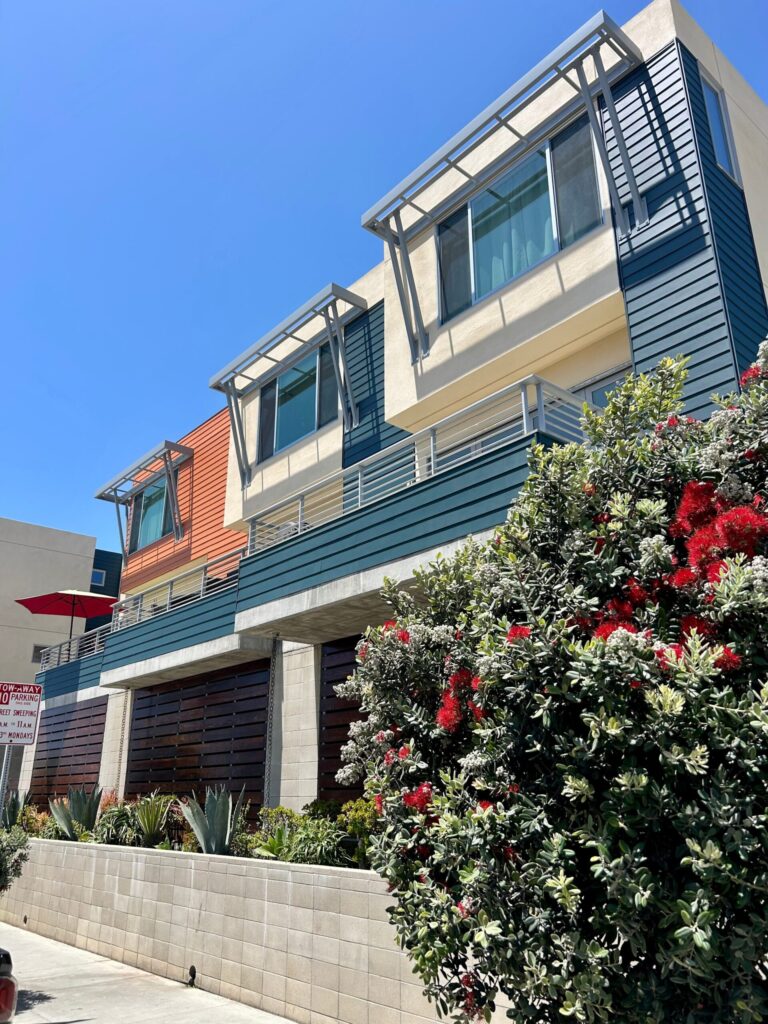
Homes in coastal San Diego communities like Encinitas, Solana Beach, and Carlsbad may experience more noticeable exterior paint wear because of their exposure to salt air, marine layer, humidity, wind, and direct sun. Even homes a few miles inland can still be affected by coastal conditions, especially in areas with frequent fog, ocean breezes, or strong afternoon sun.
Common Signs Coastal Weather Is Affecting Your Paint
Coastal paint damage does not always happen all at once. In many cases, homeowners notice small changes before the exterior shows major wear.
Fading or Discoloration
Fading is one of the most common signs of sun exposure. Darker paint colors and walls with direct afternoon sun may fade faster than shaded areas. If one side of the home looks more washed out than the others, UV exposure may be the reason.
Chalking or Powdery Residue
Chalking happens when paint begins to break down and leaves a powdery residue on the surface. You may notice it when touching the wall or seeing light-colored streaks after rain or rinsing. Some chalking can happen as paint ages, but heavy chalking may mean the coating is wearing down.
Peeling, Bubbling, or Cracking
Peeling, bubbling, and cracking can happen when moisture gets under the paint or when the paint is no longer bonding well to the surface. In coastal areas, moisture and humidity can make these issues more common, especially if the surface was not properly prepared before the last paint job.
Mildew or Moisture Stains
Shaded areas, north-facing walls, and spaces near plants or sprinklers may stay damp longer. When surfaces do not dry well, mildew or moisture stains can appear. This is especially common where landscaping is too close to the home or irrigation hits the exterior.
Worn Caulking or Exposed Surfaces
Caulking helps seal gaps around windows, doors, trim, and other exterior details. When caulking cracks or pulls away, moisture can reach areas that should be protected. Exposed wood, stucco, or trim may also be a sign that the exterior paint is no longer doing its job.
How San Diego Homeowners Can Help Protect Exterior Paint
While coastal weather cannot be avoided, regular maintenance can help homeowners in areas like Point Loma and Mission Beach protect their exterior paint and catch small issues early.
Start by keeping exterior surfaces clean. In coastal areas, gently rinsing away salt, dust, and debris can help reduce buildup. Homeowners should avoid harsh pressure washing, which can damage paint, stucco, or trim if done incorrectly.
It also helps to inspect the exterior a few times a year. Look for fading, chalking, peeling, cracking, mildew, worn caulking, and exposed surfaces. Pay close attention to walls with direct sun exposure, shaded areas that stay damp, and trim around windows and doors.
Landscaping can also affect paint performance. Plants and shrubs that sit too close to the home can trap moisture against painted surfaces. Sprinklers that hit the exterior can also lead to staining or premature wear. Keeping landscaping trimmed back and adjusting irrigation can help reduce moisture-related issues.
When it is time to repaint, preparation matters. Cleaning, scraping, sanding, priming, caulking, and repairing damaged areas all help the new paint bond properly. In coastal areas, skipping prep work can lead to faster paint failure, even when high-quality paint is used.
For homeowners who are unsure what their exterior needs, Brad Stoner Painting brings over 40 years of San Diego painting experience and can help identify whether the home needs maintenance, repairs, or a full repaint.
When to Have Your Exterior Paint Evaluated
Homeowners should consider having their exterior paint evaluated when they notice peeling, bubbling, cracking, heavy chalking, mildew, fading, exposed surfaces, or failing caulking.
An evaluation can help determine whether the home needs minor touch-ups, maintenance, repairs, or a full repaint. This is especially helpful for coastal homes because different sides of the home may experience different types of wear.
For example, one wall may be fading from sun exposure, while another may be showing moisture issues from shade, fog, or poor airflow. Looking at the full exterior can help homeowners understand what is happening and choose the right next step.
Brad Stoner Painting has served San Diego homeowners for over 40 years and can evaluate exterior paint wear, surface conditions, and prep needs before recommending the best next step.
Protecting Your Home from Coastal Paint Wear
Coastal weather is part of life in San Diego, but homeowners can take steps to protect their exterior paint. By understanding how salt air, marine layer, moisture, UV rays, wind, and sand affect painted surfaces, it becomes easier to spot problems early and maintain the home’s exterior.
Exterior paint helps protect the home, not just improve how it looks. When paint begins to fade, peel, crack, or chalk, it may be time to take a closer look at the condition of the surface underneath.
Brad Stoner Painting helps homeowners maintain and refresh their home’s exterior with careful preparation, quality materials, and an understanding of local coastal conditions in areas like Oceanside and Coronado. If your home is showing signs of weather-related paint wear, their team can help evaluate the exterior and recommend the best next step.
FAQ: Coastal Weather and Exterior Paint in San Diego
How does salt air affect exterior paint?
Salt air can leave residue on exterior surfaces and contribute to paint wear over time. It may make paint look dull, weathered, or worn, especially on areas frequently exposed to coastal air.
What does the marine layer do to house paint?
The marine layer can increase moisture and humidity around a home. When surfaces stay damp for too long, it may contribute to peeling, bubbling, mildew, staining, or adhesion problems.
Why does exterior paint fade faster near the coast?
Exterior paint may fade faster near the coast because of strong UV exposure, salt air, and daily weather changes. Walls with direct afternoon sun often show fading sooner than shaded areas.
What are signs coastal weather is damaging exterior paint?
Common signs include fading, chalking, peeling, bubbling, cracking, mildew, moisture stains, worn caulking, and exposed wood or stucco.
How can homeowners protect exterior paint near the coast?
Homeowners can help protect exterior paint by keeping surfaces clean, rinsing away salt and debris, trimming landscaping away from the home, adjusting sprinklers, checking caulking, and addressing small paint issues early.
Do coastal homes need more paint maintenance?
Coastal homes may need more frequent paint maintenance because they are exposed to salt air, moisture, humidity, sun, and wind. The exact amount of maintenance depends on the home’s location, surface condition, previous prep work, paint quality, and exposure.
When should I call a professional painter?
It may be time to call a professional painter if you notice peeling, bubbling, cracking, heavy chalking, mildew, exposed surfaces, failing caulking, or fading that makes the home look worn. For property owners in coastal San Diego communities such as La Jolla, Del Mar, Pacific Beach, and Ocean Beach, Brad Stoner Painting can help evaluate exterior paint wear and recommend the right next step.